Accurate Cost Estimation for Home Renovation Budgeting

When you’re planning a home renovation, one of the biggest challenges is figuring out how much it will actually cost. Whether you’re dreaming of a new kitchen, a refreshed bathroom, or a finished basement, knowing the true price tag upfront can save you a lot of stress later. I’ve learned that accurate cost estimation is the key to a smooth renovation journey. Let’s dive into how you can master home renovation budgeting and avoid surprises!
Why Home Renovation Budgeting Matters
Budgeting for a home renovation isn’t just about picking a number and hoping for the best. It’s about understanding every piece of the puzzle so you can make smart decisions. When you budget well, you:
Avoid running out of money halfway through the project
Prioritize the most important upgrades
Negotiate better with contractors
Keep your renovation timeline on track
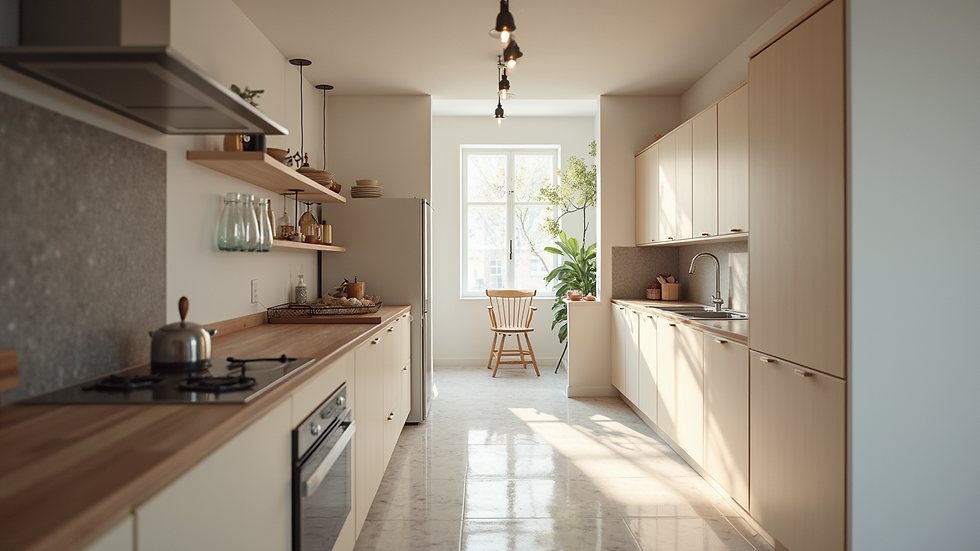
For example, if you want to remodel your kitchen, knowing the cost of cabinets, countertops, appliances, and labor helps you decide where to splurge and where to save. Without a clear budget, you might start with a dream kitchen and end up with a half-finished space.
How to Get Started with Your Home Renovation Budget
Starting your budget can feel overwhelming, but breaking it down into manageable steps makes it easier. Here’s how I recommend you begin:
Define Your Scope - What exactly do you want to renovate? Be specific. Instead of “kitchen,” say “replace cabinets, install new countertops, and update lighting.”
Research Costs - Look up average prices for materials and labor in your area. Denver Metro area homeowners often find that prices vary depending on the season and demand.
Get Multiple Quotes - Contact at least three contractors or suppliers to compare prices. This gives you a realistic range.
Add a Contingency - Set aside 10-20% of your budget for unexpected expenses. Renovations often uncover surprises like outdated wiring or plumbing issues.
Track Your Spending - Use a spreadsheet or budgeting app to keep an eye on costs as the project progresses.
By following these steps, you’ll build a budget that’s both realistic and flexible.
What are the 3 P's of budgeting?
When it comes to budgeting, especially for home renovations, the 3 P’s are your best friends: Plan, Prioritize, and Prepare.
Plan: Start with a detailed plan of what you want to achieve. This includes design ideas, materials, and timelines. The more detailed your plan, the easier it is to estimate costs.
Prioritize: Decide which parts of the renovation are must-haves and which are nice-to-haves. For example, upgrading your bathroom fixtures might be essential, but fancy tile work could be a lower priority.
Prepare: Get ready for the unexpected. This means having a financial cushion and being mentally prepared to make adjustments if costs rise.
These three steps help you stay in control and avoid common pitfalls.
Tips for Accurate Cost Estimation and Budgeting
Accurate cost estimation is more than just guessing numbers. Here are some practical tips to help you nail it:
Break Down Costs by Category: Separate your budget into materials, labor, permits, and finishes. This makes it easier to spot where you might overspend.
Use Local Data: Prices can vary widely by region. Since you’re in the Denver Metro area, check local suppliers and contractors for the most accurate pricing.
Consider Time of Year: Renovations done in winter might cost more due to weather delays or contractor availability.
Don’t Forget Permits and Inspections: These can add several hundred to a few thousand dollars depending on your project.
Factor in Design Fees: If you’re hiring a designer or architect, include their fees in your budget.
Review Past Projects: If you or someone you know has done a similar renovation, use their costs as a benchmark.
Remember, cost estimation and budgeting is a skill you can improve with practice. The more you learn, the better your estimates will be!

How to Handle Budget Overruns
Even with the best planning, sometimes costs go over budget. Here’s how to handle it without panic:
Revisit Your Priorities: Cut back on lower-priority items or choose more affordable materials.
Negotiate with Contractors: Sometimes contractors can suggest cost-saving alternatives or adjust their pricing.
Phase Your Renovation: If possible, split the project into stages. Complete the essentials now and save the extras for later.
Use Your Contingency Fund: This is why having a buffer is so important!
Stay Transparent: Keep communication open with everyone involved to avoid surprises.
By staying flexible and proactive, you can keep your renovation on track even if costs rise.
Final Thoughts on Home Renovation Budgeting
Budgeting for your home renovation doesn’t have to be scary. With clear planning, smart research, and a bit of flexibility, you can create a budget that works for you. Remember, the goal is to transform your home into a space you love without breaking the bank. Take your time, ask questions, and don’t be afraid to adjust your plan as you go.
Your dream home is within reach - and with accurate cost estimation, you’ll get there with confidence and peace of mind! Happy renovating!


Comments